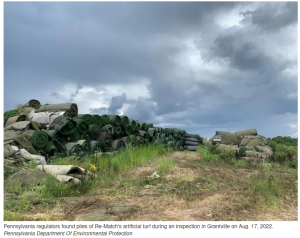
What is the reality of recycling of synthetic pitches? EcoSport spill the beans on the...
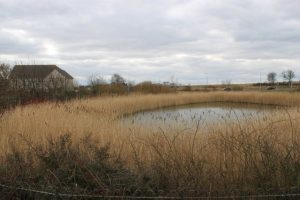
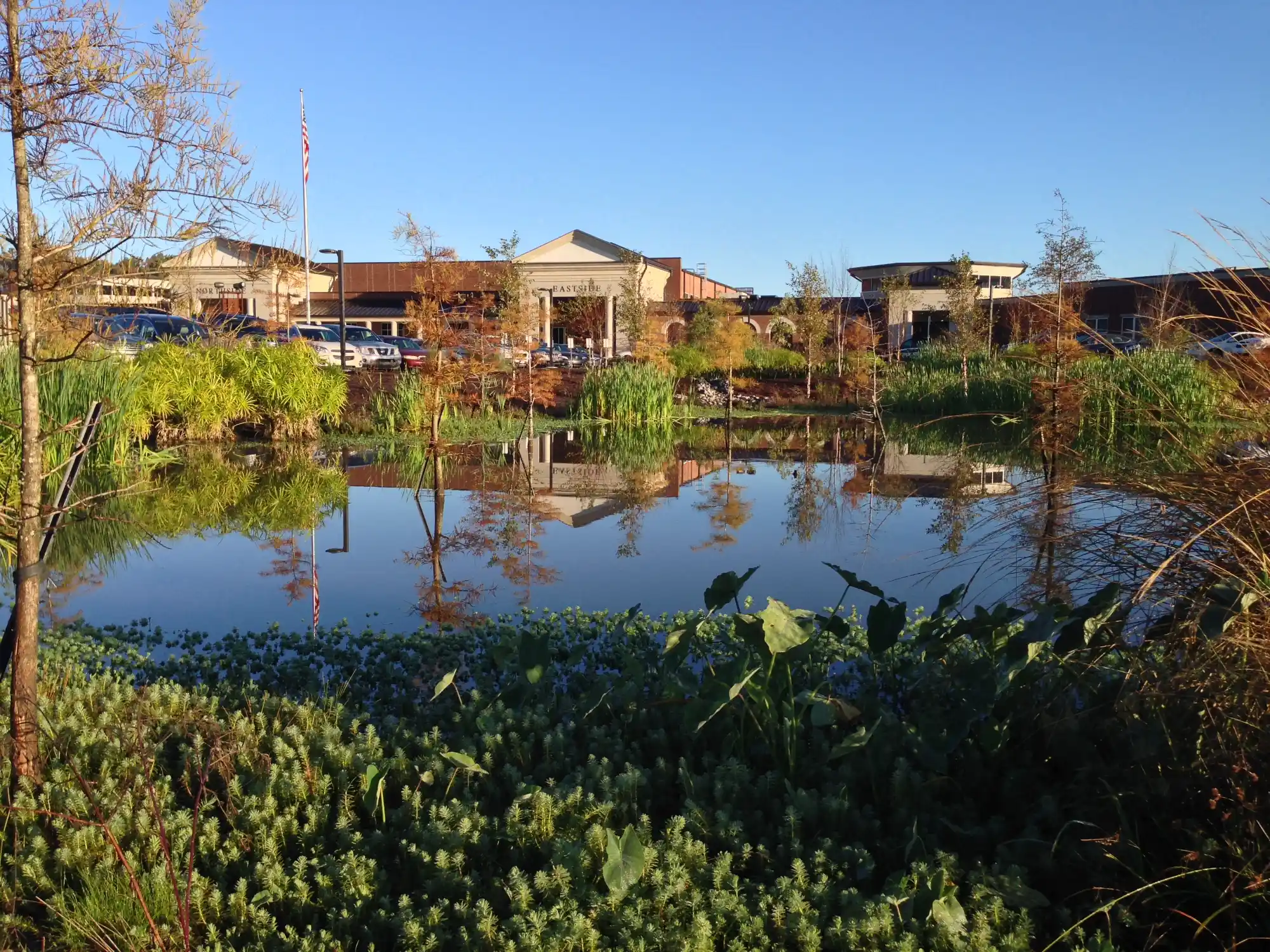
Read MoreAbove ground attenuation is usually feasible in new developments, and as well as fitting in with the SUDs initiative will most certainly benefit the environment in terms of Biodiversity Net Gain (BNG). Where the ground has porosity, biofiltration involves holding the water till the ground absorbs it, these wetlands are seasonal. Bioretention systems hold the water and release it in a controlled manner, these systems will create more of a permanent wetland feature.
Bio-basins are larger-scale wetland features typically adopted where ground conditions do not permit efficient infiltration, or where development scale demands greater attenuation capacity. In circumstances where the underlying land drains poorly, increased surface area is relied upon to provide temporary storage, promote evapotranspiration, and regulate runoff rates so as to prevent discharge into adjacent watercourses. Similarly, on larger developments, bio-basins are used to accommodate increased attenuation requirements by slowing, storing, and treating surface water prior to controlled release.
Each solution will be planted with marginal plants which remove water quickly by creating structure in the soil and simply by doing what plants do. In turn, these planted areas will be designed bespoke to complement the fauna of the area.