Emerging biological approaches offer an opportunity to create more sustainable and resilient playing surfaces.
Read MoreRain has been navigating landscapes for thousands of years. It has become remarkably good at it. The chances of a CAD drawing convincing water to change its mind permanently are, let’s say, optimistic.
That’s where Sustainable Drainage Systems (SuDS) come in. Rather than treating rainwater like an uninvited guest that needs escorting off site at high speed through the nearest pipe, SuDS politely invite it to slow down, have a sit down, filter itself through some vegetation and leave when it’s ready.
Swales, detention basins, rain gardens, ponds and permeable paving aren’t just fashionable buzzwords to keep planners happy. They’re practical features that copy what nature has been doing all along. They slow water down, improve water quality, reduce flooding and often create habitats for wildlife that are considerably more appreciative than most project managers.
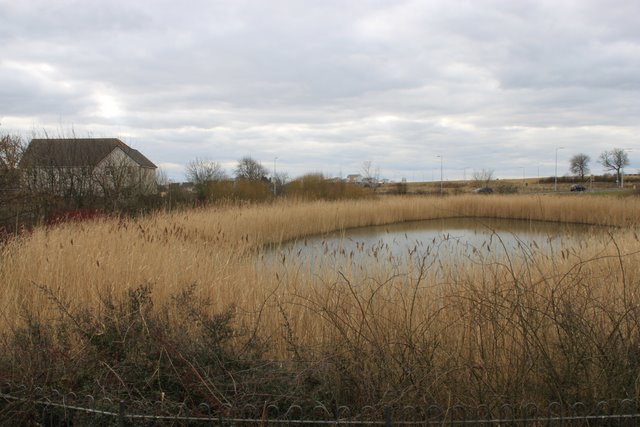
One of the smartest things a designer can do is simply work with what’s already there. Existing ditches, ponds, mature trees, hedgerows and natural low spots aren’t obstacles to be removed—they’re free engineering. Nature has already spent centuries carrying out the site investigation.
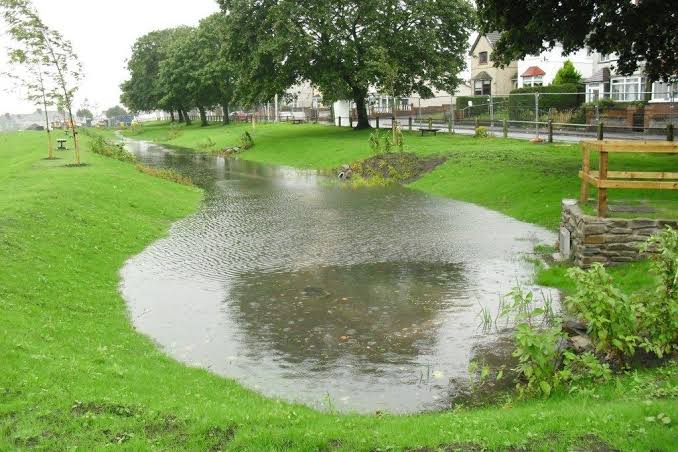
Working with the existing topography usually means less excavation, fewer imported materials, lower carbon emissions and, perhaps most importantly, fewer expensive surprises once the project is complete. The ground tends to appreciate not being bullied quite so much.
Then there’s the soil. Soil is wonderfully honest. It tells you exactly what it wants to do—provided you listen. Clay wants to expand when it’s wet and shrink when it’s dry. Sand likes to drain. Peat would really rather you didn’t build on it at all. Pretending otherwise doesn’t change the laws of physics; it simply makes the remedial works more expensive.
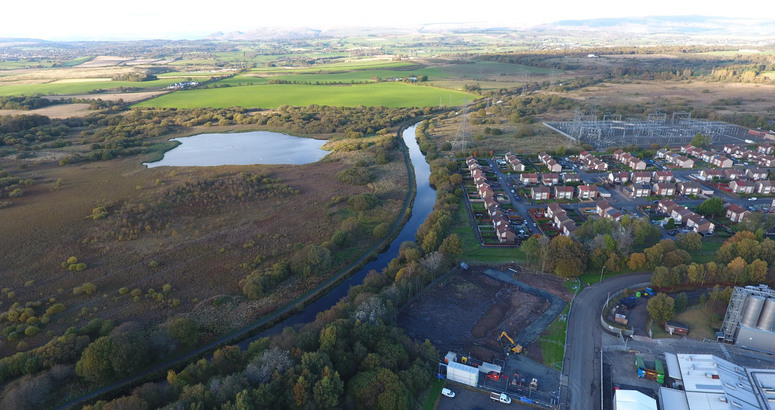
The best developments don’t look as though they’ve been dropped onto the landscape. They look as though they belong there. The roads follow the contours, the SuDS features sit naturally within the open spaces, and the drainage works with gravity rather than engaging in an ongoing argument with it.
Perhaps that’s the biggest lesson of all. Nature is incredibly cooperative if you let it be. Fight it, and you’ll spend years maintaining pumps, repairing cracks and explaining why the detention basin is permanently dry while the car park resembles a boating lake.
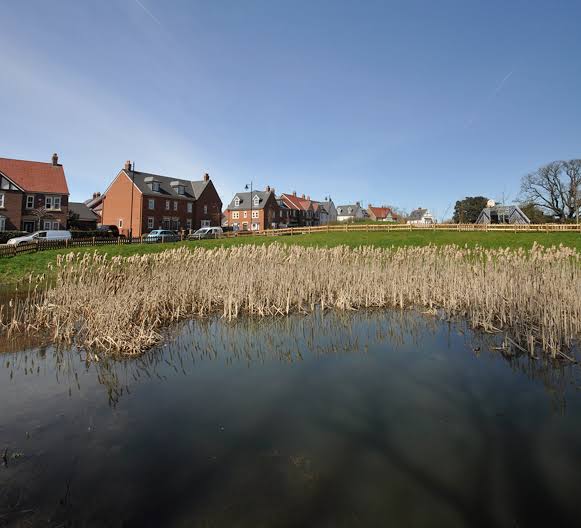
So, before reaching for the biggest excavator on site, take a walk around. Watch where the water gathers. Look at the trees. Notice the old ditches and ponds. The landscape has been solving drainage problems since long before engineers arrived with laser levels and GPS machine control.
Sometimes the most sophisticated engineering solution is simply admitting that Mother Nature had a pretty good design to begin with.