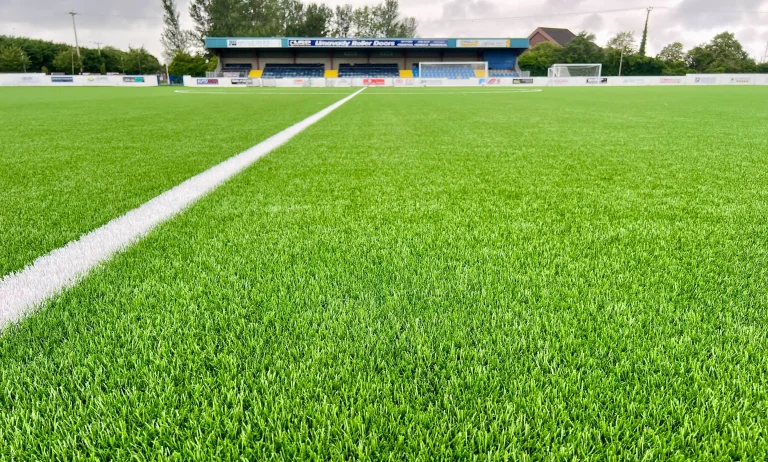
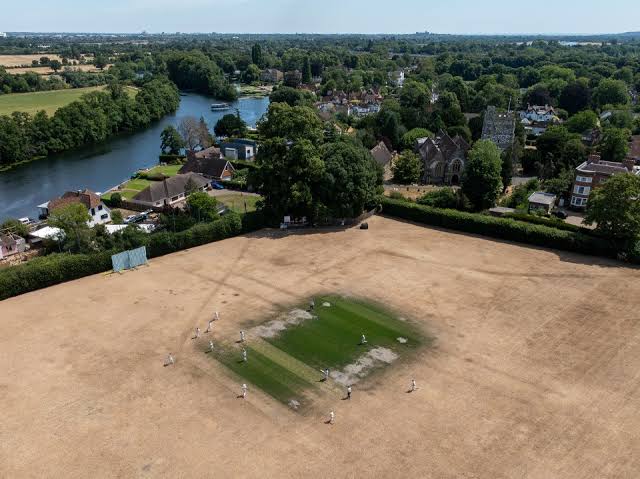
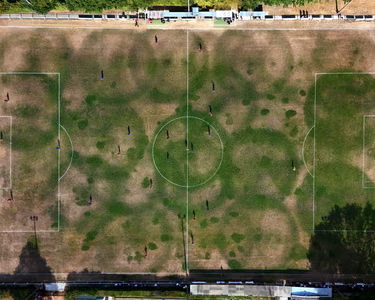
Emerging biological approaches offer an opportunity to create more sustainable and resilient playing surfaces.
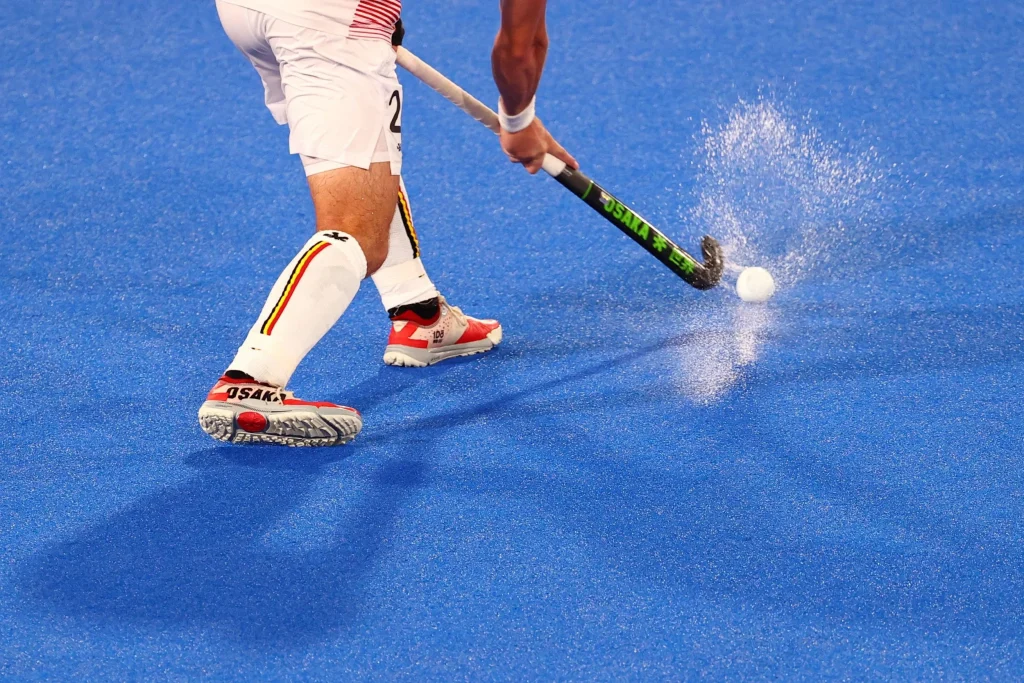
Read MoreI believe the industry as a whole has accepted that water-based hockey pitches are becoming a thing of the past. This movement has been gathering momentum for over ten years, when Alistair Cox joined the FIH back in 2015 and asked the industry to innovate systems with less reliance on irrigation to perform to the global standard. He introduced a mechanism whereby manufacturers could test and accredit systems using up to a third of the ‘traditional’ 3mm, entering the low-watered systems installed at the majority of high-level venues today.
More recently, the long-awaited ‘dry innovation’ category has gathered momentum as the teething troubles have slowly been ironed out. The main point of resistance here has always been the players, but needs must. Nylon had to go due to its inability to resist high levels of UV without heavy metals; now water-based hockey pitches have to follow. They’re simply not sustainable.
Credit to Alistair here, by the way. This will sit up there with several of his legacy drives within the industry.
When it comes to natural grass, we are forced again to react to the prevailing conditions. The reliance on heavily drained pitches, with little ability to hold moisture and nutrients, will, I suspect, drift into the past, and designers will consider moisture-retaining measures alongside working hand in hand with microbes. An ‘if it works, don’t fix it’ approach is required to take us back to basics and look at how nature has learned to make the most of limited dry-season rainfall and groundwater.
So how does this look? What does nature do that we’ve ignored in our quest for ‘progress’?
Nature has a way of holding rainwater for use in drier times. Peat bogs, forest floors and underground reservoirs all hold moisture to be released slowly throughout the year. We should too. Mycorrhizal fungi work in symbiosis with the roots, helping grass plants access moisture by growing a vast underground network of tiny threads that reach water they cannot reach on their own.
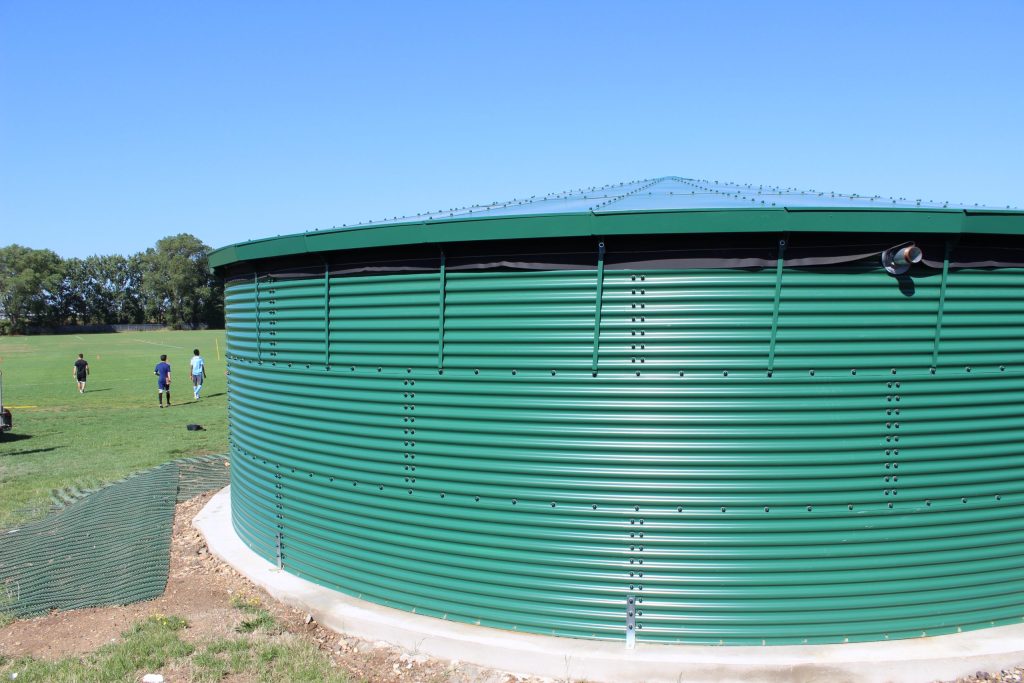
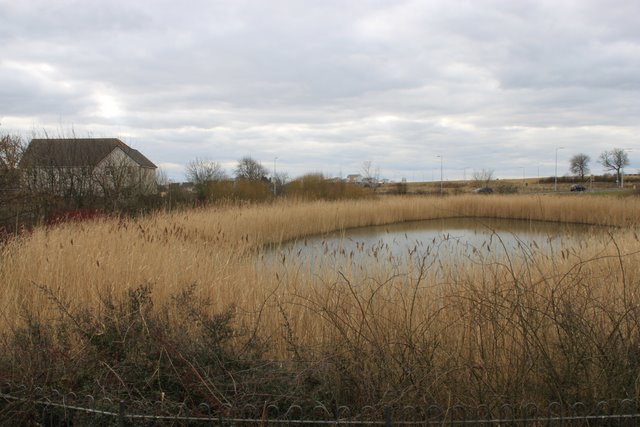
This sounds simple, almost common sense, yet we’ve spent generations attempting to remove this water from our path, treating it almost as a pest. By enabling not only more storage within the ground itself, but a way of harvesting it too, we begin to lose our reliance on service providers and start to become more self-sufficient.
This conundrum poses a different dilemma: one of funding.
The ECB has recognised this crisis and is currently managing applications for grants to invest in rainwater harvesting systems. The Football Foundation could perhaps follow suit. The equation has become one not of ‘if’, but ‘how’.
Grassroots and lower-league sports clubs are in crisis mode and, for a government with a real obligation to keep an active nation, there is little choice. If we are serious about maintaining sport at every level, then we need to start looking at water differently — not as something to remove, but as a resource to retain, manage and reuse.